Luxury baskets are more than just a collection of goodies; they’re a curated experience that tells a story of craftsmanship, quality, and personal touch. When it comes to pricing these opulent offerings, a one‑size‑fits‑all approach can leave you feeling like you’re serving a bland soup to a gourmet crowd. This article walks you through the art of building a flexible pricing model that keeps your margins healthy while delighting discerning buyers. Let’s dive in and sprinkle a dash of humor along the way—after all, even luxury pricing can use a light touch.
Understanding the Luxury Basket Market
What Makes a Basket “Luxury”?
Luxury baskets are defined by three pillars: premium ingredients, artisanal presentation, and an emotional connection. Think hand‑woven baskets, organic teas, or locally sourced cheeses that carry a story. Buyers expect exclusivity and are willing to pay for the narrative behind each item.
Customer Expectations and Price Sensitivity
Even the most affluent customers have a price threshold. They’re not just buying a basket; they’re buying an experience. A flexible pricing model recognizes that while some shoppers chase the ultimate indulgence, others look for a balanced mix of value and prestige. The challenge? Balancing these desires without diluting your brand.
Core Principles of a Flexible Pricing Model
Tiered Pricing Strategy
A tiered system lets you cater to different segments:
- Premium tier: Highest quality, limited editions, and exclusive packaging. Classic tier: High‑quality staples at a slightly lower price. Custom tier: Build‑your‑own baskets for personalized gifting.
This structure gives customers a clear choice, much like a menu that offers both a signature dish and a seasonal special.
Value‑Based Pricing
Instead of merely covering costs, value‑based pricing looks at what the customer perceives as worth. Ask yourself: What problem does this basket solve? Is it a gift, a self‑indulgence, or a corporate thank‑you? Assign a price that reflects that perceived value.
> “The aim of marketing is to know and understand the customer so well that the product or service fits him and sells itself.” – Peter Drucker
Dynamic Pricing and Seasonal Adjustments
Luxury baskets often have seasonal peaks—think holiday gifting or Valentine’s Day. A dynamic pricing model adjusts prices based on demand, inventory, and market trends. It’s like a chef adjusting seasoning: a pinch more here, a dash less there, to keep the flavor just right.
Building the Pricing Framework
Cost Analysis and Margin Goals
Start with a clear cost breakdown: product cost, packaging, labor, shipping, and overhead. Then set a target margin—luxury brands typically aim for 60–70% gross margin. Keep your margins in mind as you layer in value and tiering.
Bundling and Upselling Opportunities
Offer bundled items that increase perceived value. For example, pairing a fine wine with a handcrafted cheese basket can justify a higher price point. Upselling can be as simple as offering a “gift wrap” upgrade or a personalized card.
Pricing Tiers: Premium, Classic, and Custom
- Premium: $250–$400, featuring rare items and bespoke packaging. Classic: $120–$200, curated with high‑quality staples. Custom: $80–$150, allowing customers to mix and match.
These tiers act like a musical score—each instrument (price point) plays its part to create harmony.
Implementing and Testing the Model
A/B Testing and Customer Feedback
Run parallel pricing experiments: offer two price points for the same basket and observe conversion rates. Use surveys to capture customer sentiment—did they feel the price matched the experience?
Monitoring Key Metrics
Track metrics such as:
gourmet hampers online- Conversion rate Average order value Customer lifetime value Return rate
If a tier underperforms, tweak the product mix or adjust the price.
Practical Tips and Common Pitfalls
Avoiding Price Fatigue
Frequent price changes can erode trust. Keep changes transparent and justified—use storytelling to explain why a premium basket now costs more (e.g., a new sourcing partnership).
Communicating Value Clearly
Use descriptive copy that highlights craftsmanship, provenance, and exclusivity. A simple “hand‑stitched basket” can carry more weight than a generic “high‑quality basket.”
The Perfect Gift Awaits
Imagine walking into a boutique and seeing three baskets laid out like a well‑tuned orchestra—each instrument (price point) resonating with a different audience. The premium tier is the soloist, commanding attention; the classic tier is the steady rhythm section; the custom tier is the improvisational jazz, allowing customers to create their own melody.
Anecdote: When a small boutique in Asheville launched a single‑price luxury basket, sales dipped after the first month. Customers complained it felt “too expensive” for the perceived value. By introducing tiered pricing and a dynamic seasonal discount, the boutique saw a 35% lift in sales, proving flexibility can be the secret sauce.

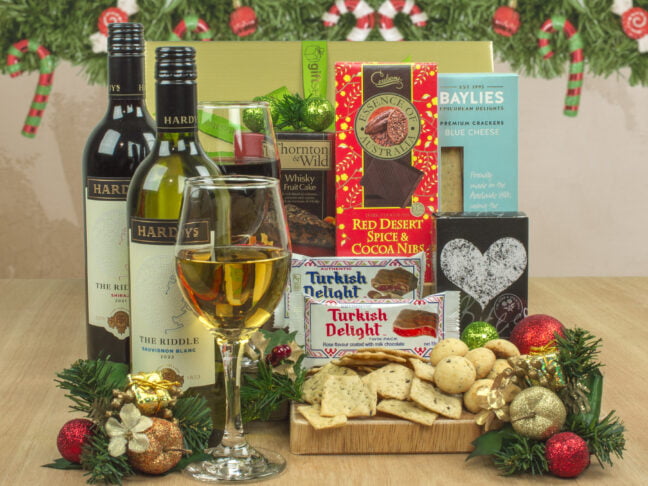
Now that you’ve mapped out the architecture of a flexible pricing model, it’s time to roll it out. Start with a clear cost foundation, layer in tiers, and let customer feedback fine‑tune the final product. Remember, pricing isn’t just numbers—it’s the bridge between your artisanship and the buyer’s delight. Treat it like a fine wine: let it mature, adjust as needed, and always keep the palate in mind.